来源:小编 更新:2024-12-21 01:52:05
用手机看
Android, being one of the most popular mobile operating systems, occasionally requires a system restore to resolve issues or revert to a previous state. This article provides a comprehensive guide on how to restore an Android system, covering various scenarios and methods.
There are several reasons why you might need to restore your Android system:
Software issues or bugs that affect the device's performance.
Corrupted system files that prevent the device from booting.
Rooting or installing custom ROMs that have caused instability.
Desire to revert to a previous state before installing new apps or updates.

Before proceeding with the system restoration, ensure you have taken the following precautions:
Backup important data: Transfer your photos, videos, contacts, and other essential files to a secure location, such as an external drive, cloud storage, or another device.
Charge your device: Ensure your device is charged to at least 50% to avoid interruption during the restoration process.
Enable USB debugging: Go to Settings > Developer options > Enable USB debugging to allow your computer to communicate with your device during the restoration process.
One of the simplest ways to restore your Android system is by performing a factory reset. This will erase all data on your device and revert it to its original state.
Go to Settings > System > Reset options > Factory data reset.
Tap 'Erase all data' and confirm your decision.
Wait for the process to complete, and your device will restart with the factory settings.
Tags: factory reset, data loss, system restore
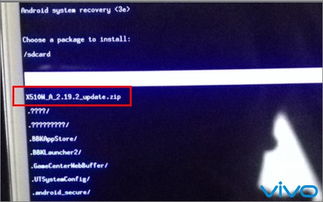
Recovery mode is a special boot mode that allows you to perform advanced operations on your Android device, such as system restoration, data wiping, and ROM flashing.
Once in recovery mode, use the Volume buttons to navigate and the Power button to select options.
Choose 'Wipe data/factory reset' to erase all data on your device.
After the process is complete, select 'Reboot system now' to restart your device.
Tags: recovery mode, advanced restoration, system wipe
Custom recoveries, such as TWRP (Team Win Recovery Project), offer more advanced features and options for system restoration.
Download the custom recovery image for your device from a trusted source.
Boot your device into recovery mode using the method described above.
Once in the custom recovery, navigate to the 'Wipe' section and select 'Factory reset' or 'Wipe data/factory reset'.
Confirm the action, and wait for the process to complete.
Reboot your device by selecting 'Reboot system now'.
Tags: custom recovery, TWRP, advanced features
Restoring an Android system can be a straightforward process, depending on the method you choose. Whether you opt for a factory reset, recovery mode, or a custom recovery, it's essential to back up your data and follow the instructions carefully to avoid any potential data loss or damage to your device.
Tags: system restoration, Android, data backup, recovery methods